How Often Do Movers Damage Furniture? (And What You Can Do About It)
No one knows exactly how often movers damage furniture. While the Federal Motor Carrier Safety Administration (FMCSA) records consumer complaints, most movers address customer concerns privately, one-on-one. Nonetheless, based on the reports sent to the FMCSA every year, it’s clear that furniture damage is a real concern. While working with a moving company saves time and effort, it’s not without risk. In this blog we’ll review the reasons why furniture gets damaged and the steps you can take to help ensure your belongings arrive at your new home intact.
Common Causes of Furniture Damage
Movers are trained on proper packing, loading and carrying techniques, which is why so many homeowners trust them with their belongings. Despite this, accidents still happen occasionally, normally due to:
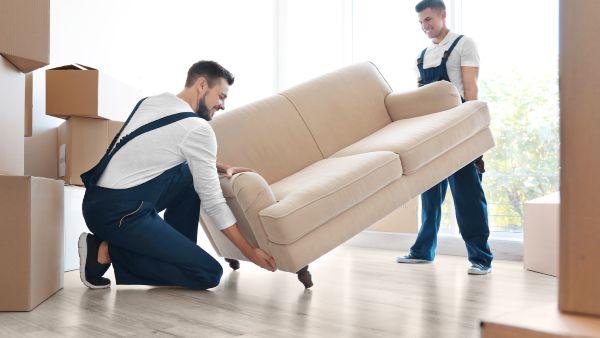
- Mishandling. Maneuvering heavy furniture is difficult, especially through narrow spaces like hallways, doorways, and staircases. Besides bumping into walls, door frames,or other obstacles, there’s also a chance your movers might drop your furniture if they aren’t using a dolly or moving straps.
- Improper Packing. Some homeowners don’t understand how to keep their stuff safe during transit. Overfilled boxes, poorly sealed containers, and insufficient padding increase the risk of dents, scuffs, and scratches.
- Unstable Loads. Loose furniture can shift and bang into other objects inside the moving van. Unsecured boxes can also topple over and damage items below ‒ a particular concern for people with delicate furnishings.
Poor weather often increases the chances of damaged furniture. Wet floors, slippery paths, and icy steps make carrying objects more difficult and time-consuming. In some cases, fatigue and exhaustion can contribute to these issues as well.
How to Protect Your Furniture
While there is no way to guarantee your belongings won’t get damaged during the moving process, there are some actions you can take to minimize risk. Safeguard your belongings by:
- Carefully Researching Moving Companies. Don’t hire a mover without looking into their reputation. Read customer reviews and avoid companies with complaints about broken furniture. And never hire anyone that can’t produce their DOT, license, and insurance information.
- Creating an Inventory. Make a list of all your furniture and note its condition, so you can identify damage if it occurs. Taking pictures will help you in case your mover has questions about your claim.
- Using Protective Wrap. If you’re preparing furniture on your own, make sure you cover it entirely with moving blankets and use plastic wrap to hold it in place. If you can, disassemble your furniture ahead of time. Transporting it in smaller pieces makes it easier to protect.
- Talking To Your Moving Team. Movers are trained to handle furniture, but they don’t know it as well as you do. Provide them with any special instructions regarding your furnishings, such as moving parts or delicate features that might require extra precautions.
- Buying Extra Insurance. Basic mover insurance only pays 60 cents per pound. That means if a 200 pound sofa is damaged, the company is only required to give you $120 (200 x 0.6 = 120). However, for a little extra money, homeowners can purchase full value coverage, which will compensate you for the entire cost of lost or broken items. Most homeowners buy full value coverage from their moving company, but you can purchase it from several third-party carriers as well.
What To Do if Your Furniture Is Damaged
Thanks to strong safety precautions, most furniture arrives at your home safe and sound. Nonetheless, it’s best to be prepared just in case things don’t go as planned. If you discover any damage:
- Contact Your Moving Company Immediately. Even though homeowners have nine months to file a moving insurance claim, submitting early speeds up the process. Prompt reporting also strengthens your case that the damage occurred during the move, rather than sometime afterward.
- Gather Your Supporting Documents. In order to ensure your claim is approved as quickly as possible, submit photos of your damaged furniture. Send a copy of your inventory as well, along with a description of all your damaged items. If you have a receipt of value, include it as well.
- Negotiate. Some moving companies try to save money by offering reduced payouts, so don’t accept an offer that doesn’t follow the terms of the contract. Review your agreement and federal moving regulations, and follow-up until your issue is resolved. If you can’t get your mover to reconsider their position, you can always take your case to the FMCSA, the Better Business Bureau, or small claims court.
Keep a record of all your communications with your mover, including emails and phone calls (write down the day and time of each call, along with what you discussed). You won’t need them if your company agrees to cover your damaged furniture, but they’ll help bolster your case if you decide to escalate your claim.
America’s Most Trusted Moving Company
Allied has been helping homeowners relocate for nearly 100 years. Our moving teams receive extensive training on safe packing and loading techniques that minimize risk to your furniture and other belongings. Careful planning, secure storage, and high-quality materials help us protect your household goods every step of the way to your new home. Make sure your belongings are well cared for during your relocation. Contact us today for a free quote!