
Guide on Moving to the UK from New Zealand
Are you considering making a move from New Zealand to the United Kingdom? Here is some practical advice on preparing for your relocation today. Learn more!
Posted on August 26, 2026 |
Introduction
Considering the move from New Zealand to the United Kingdom? There's no shortage of reasons to make the leap. From the abundance of arts and culture to the fascinating history and proximity to the rest of Europe, it's no surprise so many Kiwis decide to relocate to the UK. That said, moving across the world to a new continent is no small feat.
As Allied has helped thousands of Kiwi families and individuals with their international move, we've put together this guide. You'll find what life in the UK is really like, along with practical advice on preparing for your relocation.
Life In The UK
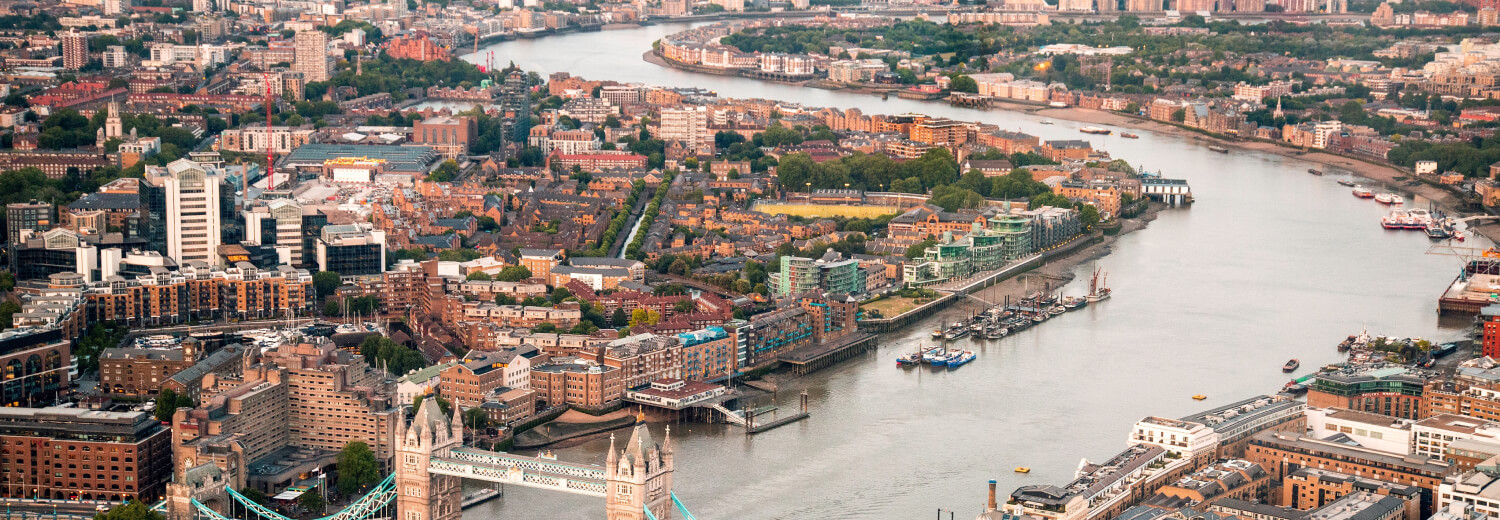
The UK is made up of England, Scotland, Wales and Northern Ireland, though this guide focuses mainly on the capital, London. London's population sits at over 9.6 million people, which is a striking comparison to New Zealand's own population of just over 5.3 million. So what's everyday life actually like in the UK, and how does it compare to New Zealand?
Work And Career
As one of the biggest economic hubs in the world, London offers strong career and job opportunities. The city is largely driven by service industries, including hospitality, retail, production and logistics, alongside financial services, media and the creative arts, and tourism.
It's best to relocate to the UK after you've received a job offer, since this supports your visa application. Note that a Standard Visitor visa, which allows a stay of up to six months, does not give you the right to work in the UK, aside from a narrow exception for pre-arranged, expertise-specific "permitted paid engagements" completed within your first month.
If you want to work in the UK, you'll need an appropriate work visa before you arrive. You can transfer with your existing company, use a UK-based recruitment agency, or search for roles on sites like Reed, Monster and Indeed.
Housing
Housing in London is competitive and expensive. As property values continue to grow, so does the cost of both buying and renting. You'll find a mix of housing types, including flats (apartments), terraced housing and detached homes. Expect to pay considerably more in London than in Auckland: recent ONS data has London's average house price at around £545,000, well above the UK-wide average of around £271,000.
There are no restrictions on foreigners purchasing property in the UK, so buying is an option if you'd like to.
Money And Taxes
The UK's currency is the pound sterling. Exchange rates move constantly, and the pound has been trading well above its long-run average against the New Zealand dollar recently, so it's worth checking a live currency converter for the current rate rather than relying on a fixed figure when budgeting your move.
The UK and New Zealand have a tax treaty, so you won't be taxed twice on the same income, though you will need to pay UK tax on your income and contribute to the National Insurance scheme once you're earning above the relevant threshold. It's best to work directly with a professional tax consultant to make sure you're complying with all relevant regulations as an expat.
Culture And Lifestyle
One of the big draws of moving to London and the UK is the culture and lifestyle on offer. As home to many leading artists in theatre, music, film and visual art, there's no shortage of creative culture to enjoy, from galleries and theatres to music venues and festivals.
London's culture extends well beyond entertainment and the arts into a genuine love of sport. The city has hosted the Olympic Games three times and is home to Wimbledon, the NFL's international series, and the FA Premier League. Football (known as soccer in New Zealand) is the most popular sport, but you'll also find professional and amateur rugby union, cricket and basketball played across the city.
Transportation
Getting around London can be done a few different ways. The Underground, known locally as 'the tube', is a popular and convenient option, and as the oldest underground metro system in the world, it's also one of the most efficient. It gets busy during rush hour, generally 7:30 to 8:30am and 4:30 to 7:00pm. London also runs buses, trams, the DLR, the Overground (an above-ground metro service) and a cable car.
These days, the simplest way to pay is by tapping a contactless debit card or phone directly at the gate, which Transport for London now promotes as the easiest option for most visitors and new arrivals. An Oyster card is still a valid alternative if you'd prefer a dedicated travel card, particularly if you don't want to use a personal bank card for fare payments.
Climate
The weather isn't usually the main reason people move from New Zealand to London. Known for cloudy days and cold winters, Londoners live by the saying "there's no such thing as bad weather, only unsuitable clothing." That said, the reputation is a little overstated, London's climate is broadly comparable to New Zealand's.
Summers (June to August in the northern hemisphere) tend to be mild and pleasant with occasional showers, with days typically between 21°C and 23°C before cooling in the evening. Winters are cold and can bring snow, with average temperatures between 5°C and 10°C.
Planning Your Move To The UK
Visas And Documentation
You'll need a valid passport to enter the UK, and a visa if you plan to stay longer than six months or intend to work. There are several types of work visas, including the popular Skilled Worker visa, which typically requires a job offer and sponsorship from a licensed UK employer. If you're moving to study, you'll need an offer from a course with a licensed student sponsor and will need to apply for a student visa. You can apply for any of these through the UK Government website.
Getting indefinite leave to remain means settling permanently in the UK, and depends on your specific visa and circumstances. You can also apply for British citizenship once eligible.
Packing Belongings And Furniture
Moving to London and the rest of the UK means your belongings will travel over 18,380 kilometres. Given the distance, packing everything safely and securely is essential. Start early and follow a comprehensive packing and moving checklist so nothing important gets missed. A professional packing service can also guarantee your items are packed properly and ready for the journey.
Storage
After packing, you may have items you don't want to part with but also don't need to take with you right away. Storage is a good way to keep precious belongings safe while you prepare for your relocation. Short-term storage offers flexibility, giving you time to settle into your new home before receiving the bulk of your belongings in the UK.
Moving A Car Or Vehicle
As the UK also drives on the left-hand side of the road, you can bring your car or vehicle with you from New Zealand. Given how tricky the logistics of an overseas vehicle move can be, it's best to use a professional vehicle transportation service, who can make sure your car has the right documentation and meets the relevant regulations to enter the UK, while you focus on settling into your new home.
Relocating With Pets
Pets are part of the family, but moving with them internationally can be stressful for your furry or feathered companions. As you prepare for your move, take your pet for a vet check-up and let your vet know about your travel plans.
To bring your pet to the UK, you'll generally need a GB pet health certificate, a microchip, and a rabies vaccination, along with any other vaccinations relevant to their breed. The exact requirements can differ depending on how the UK currently classifies New Zealand for pet travel purposes, so it's worth confirming the latest requirements directly on the UK government's pet travel pages before you book anything. A professional pet transportation service will have the expertise and resources to keep your pet safe throughout the journey.
Choosing The Right Moving Company
If you're moving internationally, choosing the right moving company matters. An overseas relocation involves multiple moving parts, so you need a company with the experience and expertise to manage it successfully.
Look for a well-trained team you can trust with your belongings, backed by a global network of movers who can assist once you arrive in the UK.
Beyond simply transporting boxes, a good moving company should also offer vehicle and pet transport, transit insurance, and other additional services as needed.
Move To The UK From New Zealand With Allied
If you're looking for the right moving company to handle your move from New Zealand to the UK, look no further than Allied. Our dedicated, experienced team is ready to assist with your international move every step of the way, with the expertise and equipment to make your relocation to the UK as seamless as possible.
Discuss your move with our friendly team and get a free quote today.
Frequently Asked Questions
Can I Work In The UK On A Visitor Visa?
Generally, no. A Standard Visitor visa allows a stay of up to six months but doesn't permit general work, aside from a narrow exception for specific, pre-arranged professional engagements. If you intend to work, you'll need an appropriate work visa first.
How Much Does It Cost To Live In London Compared To New Zealand?
London is considerably more expensive than most New Zealand cities, particularly for housing. Exchange rates also affect the real cost of your move, so it's worth checking a live currency converter when budgeting rather than relying on a fixed rate.
Can I Bring My Pet From New Zealand To The UK?
Yes, generally with a GB pet health certificate, microchip and rabies vaccination, though the exact requirements depend on New Zealand's current classification under UK pet travel rules, so it's worth confirming the latest details before you book your move.
Ready to start your journey with us?
Get your free quote today