
The Rituals Chinese Follow when Moving House
Discover the rituals Chinese follow when moving house. Learn about traditions and customs with Allied Singapore. Learn more cultural insights!
Posted on August 27, 2026 |
Introduction
A pineapple rolled across the floor. A kettle boiled the moment the front door opens. Sweets tucked into every drawer. To an outsider, these might look like odd coincidences, but in many Chinese households, they're deliberate customs carried out with real intention, passed down for generations and still widely observed across Singapore today.
Some families follow them out of genuine belief, others out of respect for older relatives, and some simply because it's tradition and part of the fun of moving into a new home. It's also common to see other cultures in Singapore adopt some of these same customs when they move, regardless of their own background.
Here's a look at some of the most common Chinese moving house rituals and considerations practised by households across Singapore and beyond.
Choosing An Auspicious Moving Date
For many Chinese households, the very first step in planning a move isn't packing at all, it's choosing the right date.
Traditionally, this involves consulting the Tong Shu, a Chinese almanac that sets out auspicious and inauspicious days, or speaking with a feng shui practitioner who can factor in the individual family members' zodiac signs and the direction the new home faces.
Certain dates are considered inauspicious for major life events like moving, regardless of the individual family's circumstances, so this step often happens well before a moving company is even booked.
Avoiding Ghost Month
The seventh month of the Chinese lunar calendar, often called Ghost Month or the Hungry Ghost Festival period, is traditionally considered an inauspicious time to move house. It's believed that spirits are more active during this time, and moving is thought to risk disturbing them.
Many families will actively avoid scheduling a move during this period if they can help it, and it's worth keeping in mind if you're planning a move around this time of year, since it can affect the availability of moving dates that feel right for a Chinese household.
Where a move can't be avoided during this period, some families choose to carry out additional prayers or rituals to offset it.
Rolling A Pineapple
In Hokkien, the word for pineapple sounds similar to the phrase for "prosperity arriving," which is where this particular custom comes from.
The ritual itself is simple: take a pineapple and roll it through the house, sometimes while chanting phrases for good fortune. It's meant to bless the home with prosperity and abundance for as long as the family lives there.
Bringing Auspicious Items Into Your New Home
Certain items are considered important to have on hand the moment you first step into a new home, since they're believed to represent everything from success and safety to good health.
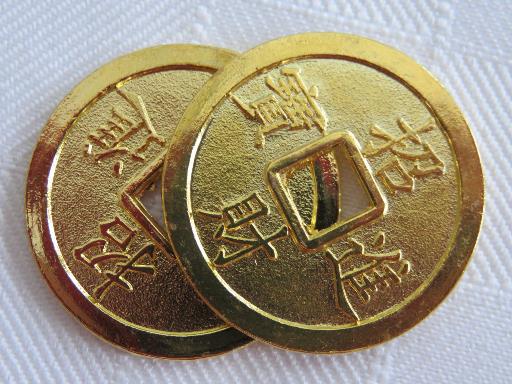
Feng shui coins are a popular choice, though fresh fruit is just as common, particularly pomegranates, peaches, apples and oranges, each of which carries its own symbolic meaning in Chinese tradition.
Boiling Water
Boiling a kettle of water as soon as you've settled into a new home is a small but meaningful ritual in many Chinese households.
It's said to represent warmth in the home and progress in one's career, and some families consider it important enough that skipping it, or doing it at the wrong time, is thought to invite problems down the line.
Distributing Your Wealth
Placing sweets and assorted candies around the house, particularly on tables and desks, is a common custom meant to bring sweetness into the new chapter of life.
Some families even choose to place unfolded banknotes in the space where they keep money, such as a safe, having made sure it's clean beforehand. This step usually comes later in the moving process, once furniture is actually in place.
Opening All The Doors And Windows
One of the first things many families do upon entering a new home is open every door and window.
Beyond the practical benefit of letting fresh air circulate, this is meant to refresh the energy in the space and set a positive tone from the outset, helping the home feel welcoming to both the family and any guests who visit.
Turning On All The Taps And The Stove
Running water and open flame both represent the flow of energy in Chinese tradition, so some households turn on every tap and stove burner for a few minutes after moving in. The idea is to activate a continuous flow of positive energy through the home, reaching every room from the kitchen to the bedrooms.
These practices vary a great deal by family, region and personal belief, and not every Chinese household follows all of them, or any of them at all. Still, they remain a meaningful part of moving house for many people in Singapore, and a nice way to mark the start of a new chapter, whatever your own background.
Whether you're an expat moving internationally to Singapore or a local moving house within Singapore, these rituals are a well-known part of the cultural fabric here, and a lovely way to bring in some extra luck once you're settled.
If you want an experienced team behind you, contact an Allied moving consultant today to discuss your specific relocation requirements and receive a free quote.
Ready to start your journey with us?
Get your free quote today