Housing costs have risen considerably since 2020. But while most cities are feeling the pinch, there are still plenty of others with attractive opportunities for prospective buyers. If you’re planning a move this year, whether it’s for career, family, or retirement, this short guide highlights some of the cities with the most affordable housing. When compiling this list, we looked for towns with over 100,000 people that combine low prices with promising job markets and high quality of life, to help you find a place that fits your long-term goals and expectations.
 Fort Wayne, IN
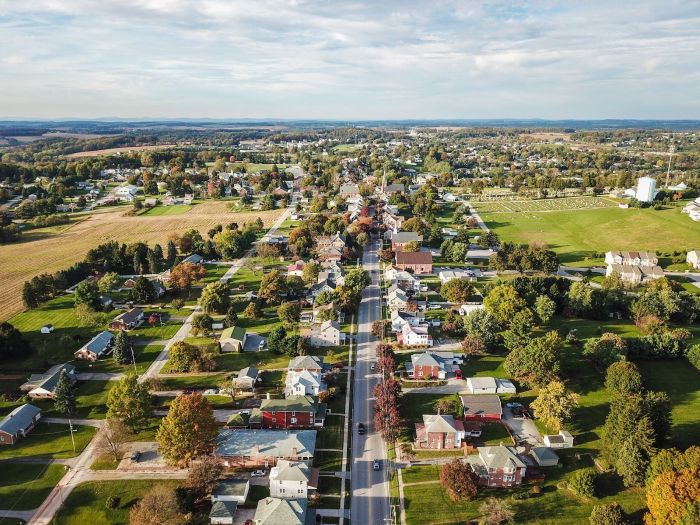
Though relatively small compared to other Midwest cities, Fort Wayne offers a bustling economy centered on healthcare, insurance, and manufacturing. Its growing economy has created a steady demand for housing, without the mounting pressure found in larger markets. As a result, contractors have been busy expanding the city’s housing stock, taking advantage of the state’s low costs and open land to create a robust, affordable housing sector.
The average home in Fort Wayne costs $235,000, considerably less than the national average of $359,000, while the average apartment rents for 40 percent below the national average. A balanced inventory and abundance of land will likely keep prices low in the foreseeable future, while its diverse inventory (apartments, condos, single family homes, etc.) will help ensure new arrivals can find a place that meets their needs and budget.
One of the most affordable cities in the Midwest, Des Moines has a stable economy with good prospects for people interested in healthcare, logistics, agribusiness, and financial services. Positive inbound migration has led to a flurry of new construction, resulting in a large number of middle-market homes designed for aspiring, everyday home buyers.
The average home price is only $204,000, while the typical apartment rents for around $1,130, significantly less than the national average of $1,995. Thanks to the city’s relatively small real estate market, buyers don’t need to worry about getting caught in bidding wars. Des Moines’ mix of old homes and new housing stock also helps stabilize costs, ensuring a healthy environment for buyers and sellers.
Known as “Rocket City” because of its connections to the aerospace industry, Huntsville is home to several major companies such as Lockheed Martin, Northrop Grumman, SAIC, and Dynetics (formerly Leidos), offering high-paying jobs for people with a background in engineering, software, manufacturing, and operations. These thriving, high-tech industries ensure household income is strong enough to afford a mortgage on the typical home, even when construction prices rose after the 2020 pandemic.
While Huntsville’s housing costs are higher than the rest of Alabama, they’re well below most of the country. Thanks to an increase in the supply of homes, apartments, and townhouses, prices have remained fairly consistent over the past few years. The average house costs approximately $279,000, while the average rent is $1,395, well below what you can expect to pay in other cities centered on advanced research, design, and manufacturing.
While development is a struggle in some towns due to geography (e.g. New York City), Oklahoma City is surrounded by flat, open tracts perfect for new construction. It also boasts an unusually large number of starter homes, making it easier for new buyers to enter the housing market. What’s more, the strong economy offers steady employment across several business sectors, including healthcare, energy, and agriculture, ensuring strong wages without the escalating home values associated with high-cost regions like Silicon Valley.
The average home in Oklahoma City costs $203,000, while most apartments rent for around $1,352 or 32 percent less than the national average. Low housing costs are one of the reasons behind the city’s recent growth. Oklahoma has drawn a considerable number of new residents over the past few years, with many new arrivals citing low prices as a major factor in their decision.
Like Oklahoma City, Wichita is located on an open plain well suited to expansion and development, limiting upward pressure on land costs. The city also contains a higher proportion of small and moderate-sized houses, perfect for younger couples searching for their first home or seniors who want to downsize to save money.
The average home in Wichita costs $196,000 and its apartments typically rent for around $1,200. Low prices have been a consistent feature of Wichita’s housing market for years, partially due to its strong economy, which provides long-term wage stability across multiple industries without inflating real estate costs.
Like other Midwest cities, Green Bay is surrounded by large tracts of open land, perfect for development, making it easy for contractors to keep pace with demand. At the same time, it contains a relatively high percentage of older, well-established single-family homes with low-to-moderate price points, good for buyers operating with a tight budget.
Although housing costs have risen noticeably in recent years, Green Bay homes are still far more affordable than the majority of large cities. Most homes sell for around $270,000, while apartments typically rent for around $1,162. And with its economy centered on stable industries like healthcare, manufacturing, logistics, and agriculture, the city is unlikely to experience the price spikes normally associated with fast-changing business sectors.
Omaha has experienced slow but steady growth over the past several years, allowing builders to add new homes in step with rising demand. And while the city boasts plenty of new construction, it still has a large inventory of older properties, well-kept and maintained, ensuring buyers have a wide range of price points to choose from.
Geography also plays a major role. The Nebraska plains offer lots of space for new homes, making it easy for the city to accommodate its growing population without the rapid price increases seen in other cities. These long-running structural factors, combined with its balanced economy, have kept Omaha’s housing prices below the national average for most of its history. The price of an average home in the city is currently $285,000, while the typical apartment rents for $1,550 or 22 percent less than the national average.
Over the past few years, Americans have shown a preference for mid-sized cities with strong economies, robust job markets, and reasonably priced homes. This trend is likely to continue in 2026, as the cities with the most affordable housing are regional hubs with populations under 750,000 that offer good opportunities in stable industries. Many of the locations we discussed above have already become regional moving destinations as Americans continue to search for cities where their money goes further ‒ a trend that is likely to continue as more Americans leave large towns for places better suited to their budget and lifestyle.
Allied is one of the highest rated long-distance moving companies in the country thanks to our reliability and professionalism. No matter how far you’re going, we have the tools, skills, and resources to get you there safely. From planning to packing to shipping, storage, and final delivery, our relocation teams handle all the heavy lifting, leaving you free to focus on the next chapter. Contact us today for a free quote!